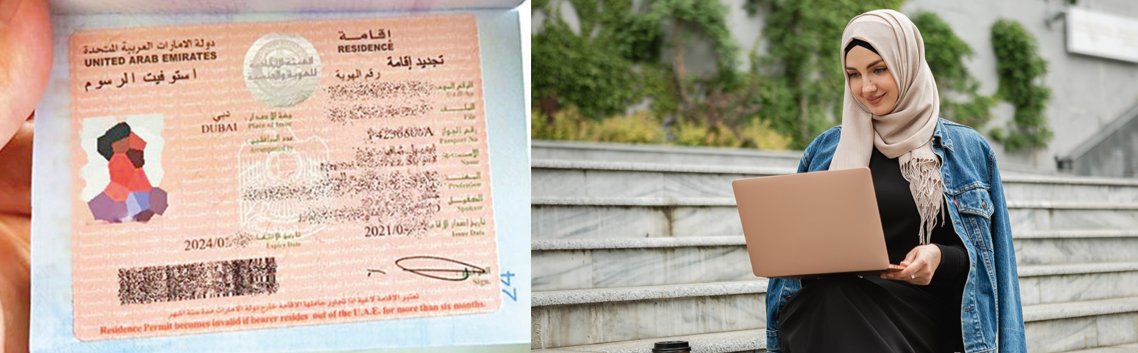
If you are planning to apply for a UAE visa, one of the most common questions is:
Do my documents need to be translated?
The short answer is yes, in most cases—especially if your documents are not originally issued in Arabic.
The UAE has strict documentation requirements for visas, residency permits, employment visas, family sponsorships, and dependent visas. Providing incorrectly translated or uncertified documents can lead to visa delays, rejection, or repeated submissions. This guide explains when translation is required, which documents need translation, and how to ensure your documents are accepted by UAE authorities.
Why Translation Is Required for UAE Visa Applications
Arabic is the official language of the UAE, and all documents submitted to immigration authorities must be clearly understood and legally valid. If your documents are issued in another language, authorities may require an official translation into Arabic.
UAE immigration departments rely on translated documents to:
- Verify personal and family details
- Confirm educational and professional qualifications
- Assess employment eligibility
- Validate marital and dependent relationships
Incorrect or unofficial translations can result in processing delays or outright rejection.
Common UAE Visa Documents That Require Translation
Depending on your visa type, you may need translation for the following documents:
- Birth certificates
- Marriage certificates
- Divorce certificates
- Police clearance certificates
- Educational certificates and transcripts
- Employment letters and experience certificates
- Medical reports
- Affidavits and declarations
If these documents are issued in languages such as Hindi, Urdu, French, German, Persian, Russian, Chinese, or others, translation into Arabic is usually required.
Understanding the difference between legal translation and general translation is critical.
Legal Translation (When Required)
Some visa documents must be translated through MOJ-certified legal translators, especially when they are submitted to:
- UAE immigration authorities
- Government departments
- Courts or notaries
Legal translation is certified, stamped, and officially accepted by UAE authorities.
In certain cases, documents may only require general translation for review or informational purposes. However, immigration authorities often later request certified legal translation, so it is safer to confirm requirements in advance.
Translation and Attestation – How They Work Together
In many UAE visa cases, translation alone is not enough. Documents may also require attestation, such as:
- MOFA attestation (Ministry of Foreign Affairs)
- Embassy or consulate attestation
Typically, the process follows this order:
- Translation into Arabic
- Legal certification (if required)
- MOFA or embassy attestation
Using a single provider for translation and attestation helps avoid mistakes and saves time.
What Happens If You Submit Untranslated Documents?
Submitting untranslated or incorrectly translated documents can lead to:
- Visa application rejection
- Requests for resubmission
- Delays in approval
- Additional costs
- Missed deadlines
UAE authorities are strict about document clarity and compliance. Even small errors in names, dates, or formatting can cause issues.
Why Professional Translation Matters for UAE Visas
Visa documents are official records, not casual paperwork. Professional translation ensures:
- Correct spelling of names (as per passport)
- Accurate dates and personal details
- Proper legal terminology
- Correct formatting for submission
At Communication Legal Translation Est. (CLT), translations are handled by experienced human translators, with MOJ-certified legal translators available when certification is required. We do not use AI or machine translation for visa documents.
Who Needs Translation for UAE Visa Documents?
You may need translation if you are:
- Applying for an employment visa
- Sponsoring family members
- Applying for a dependent or spouse visa
- Submitting foreign educational certificates
- Applying for residency renewal
- Changing visa status
Both individuals and companies benefit from professional translation support to ensure smooth processing.
Final Thoughts
So, do you need translation for UAE visa documents?
In most cases, yes—and choosing the right type of translation is essential. Professional, accurate, and properly certified translation can save you time, money, and stress.
Working with an experienced UAE-based translation provider ensures your documents are accepted the first time, without unnecessary delays or rejections.